Why Material Choice Matters
Selecting the right materials for bird feeders is crucial for both safety and longevity. Birds rely on feeders for nourishment, and poor-quality materials can cause harm, reduce the feeder’s lifespan, or fail to withstand changing weather conditions. Durable, non-toxic, and weather-resistant materials ensure that birds remain safe while your feeder continues to serve its purpose year after year.
Material choice also affects maintenance. Some materials are easier to clean, resist mold, and prevent pests from invading, making them ideal for creating a healthy feeding environment.
Natural Woods: Classic and Reliable
Untreated Hardwood
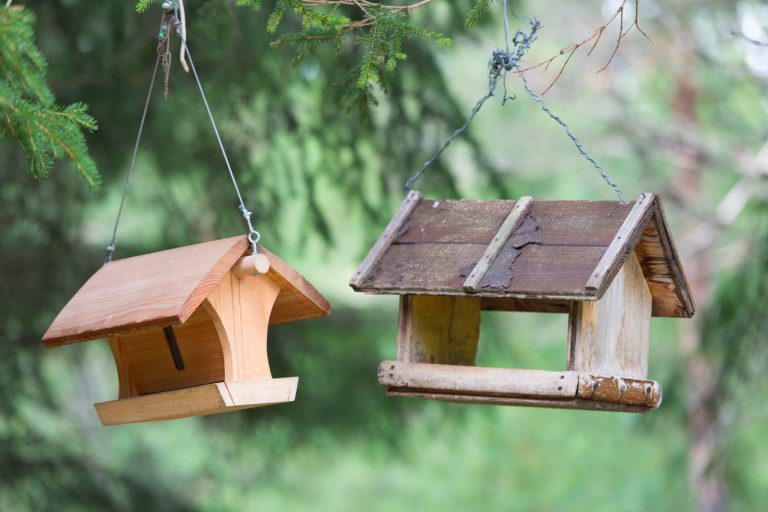
Hardwoods like cedar, pine, or oak are popular choices for bird feeders. They are naturally resistant to rot and insects, and when left untreated, they provide a safe, non-toxic surface for birds. Hardwoods also offer structural strength, making them ideal for larger or freestanding feeders.
Softwoods
Softwoods are lightweight and easier to work with for DIY projects. While they may not last as long as hardwoods, adding a simple roof or placing the feeder in a sheltered spot can extend their life. Always ensure softwood is untreated to prevent chemical exposure.
Metal Feeders: Durable and Pest-Resistant
Metal feeders, such as those made from stainless steel or aluminum, offer excellent durability and protection from larger pests. They withstand wind, rain, and snow without cracking or warping.
Considerations
Ensure that the metal is coated with bird-safe paint or left bare if corrosion-resistant. Avoid metals that heat up excessively in the sun, as this can make the feeder unsafe for birds.
Glass and Ceramic Options
Glass jars, bottles, or ceramic bowls can be creatively used as feeding containers. These materials are non-toxic, easy to clean, and often visually appealing. They are excellent for nectar feeders or small seed dispensers.
Fragility
Glass and ceramic are breakable, so they are better suited for sheltered locations or indoor feeding setups like sunrooms or enclosed patios.
Plastic Feeders: Budget-Friendly but Cautious
Plastic is lightweight and inexpensive, making it a common choice for feeders. However, it can degrade under prolonged sun exposure, trap moisture, and create sharp edges if cracked.
Safe Use
Opt for high-quality, BPA-free plastics and inspect regularly for cracks. Pair plastic components with natural perches and covers to improve longevity and safety.
Eco-Friendly and Recycled Materials
Using reclaimed wood, old crates, or repurposed containers can create functional and environmentally friendly feeders. Upcycling materials reduces waste while offering unique designs.
Tips for Safety
- Remove any coatings, paints, or chemicals from recycled materials.
- Sand rough edges to prevent injury.
- Ensure structural stability to avoid collapses.
Protective Features for Durability
Roofs and Covers
A small overhanging roof made from wood, metal, or recycled material shields seeds and nesting areas from rain and snow. This extends the feeder’s life and keeps food dry.
Ventilation
Proper airflow prevents mold and moisture accumulation. Materials that breathe, like untreated wood and natural fibers, help maintain a safe environment for birds.
Drainage Holes
Adding small holes in the base of feeders allows water to escape, reducing the risk of rotting wood or spoiled seeds.
Maintenance-Friendly Design
Choosing materials that are easy to clean encourages regular maintenance, which is critical for bird health. Smooth surfaces, removable parts, and durable materials reduce effort while preventing the buildup of bacteria, mold, and pests.
Combining Materials for Best Results
Many of the best feeders use a combination of materials to balance safety, durability, and aesthetics. For example:
- A wooden frame with a metal roof for weather protection.
- Glass seed containers inside a wooden or recycled crate.
- Bamboo tubes mounted in a recycled wooden box for small birds.
These combinations create functional, long-lasting feeders while allowing creative designs to enhance any outdoor space.