Why Placement Matters
The placement of bird feeders and habitats is crucial for attracting a variety of backyard birds. Birds are sensitive to their surroundings—they look for safety, food availability, and shelter when choosing feeding spots. Correctly positioning feeders encourages more frequent visits, reduces stress for the birds, and helps prevent accidents from predators or collisions.
Even small yards, balconies, or urban gardens can host thriving bird populations if feeders and water sources are thoughtfully placed. Understanding birds’ natural behaviors and preferences is the first step to creating a welcoming backyard environment.
Choosing the Right Location
Sunlight and Warmth
Birds prefer areas that receive morning or midday sun. Sunlight helps birds stay warm during cooler hours and increases activity at feeders. Placing feeders in spots with partial shade during the hottest parts of the day prevents overheating.
Safety from Predators
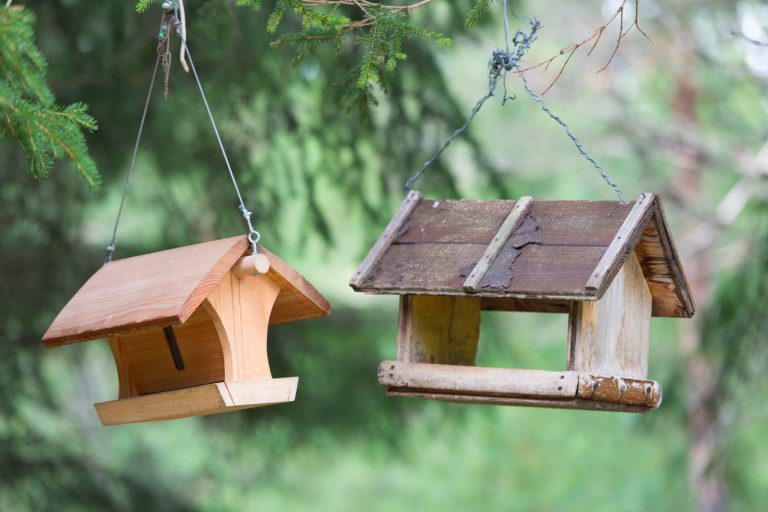
Keep feeders away from areas where cats, raccoons, or other predators can easily access them. Mount feeders at least one to two meters above the ground, or use hanging designs that are difficult for predators to reach.
Visibility for Birds
Birds feel safer when they can see their surroundings. Avoid placing feeders too close to dense bushes where predators may hide. Position feeders near trees or shrubs so birds have quick escape routes but also clear sightlines.
Designing the Feeding Area
Variety of Feeders
Different species prefer different types of feeders. Tube feeders attract finches and small songbirds, platform feeders accommodate larger species like cardinals, and suet feeders attract woodpeckers and insect-eaters. Offering multiple feeder types increases diversity in your backyard.
Access to Food
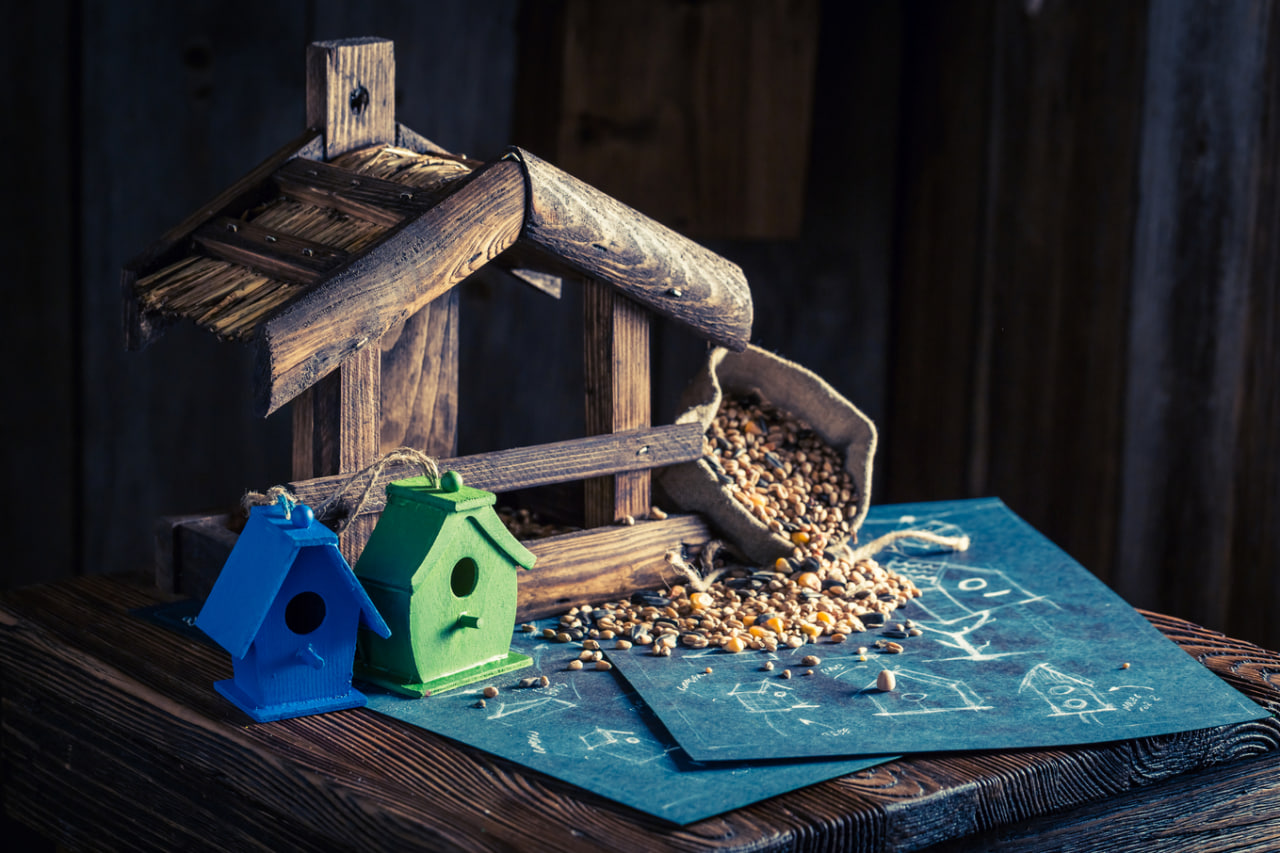
Provide a consistent supply of seeds, nuts, and suet. Rotate seed types seasonally to match birds’ natural diets—thistle or nyjer seed for finches, sunflower seeds for general attraction, and suet for winter energy.
Water Sources
Birds need fresh water for drinking and bathing. Small birdbaths, shallow dishes, or gentle water fountains attract more species. Keep water sources clean and refill them regularly to prevent stagnation and disease.
Creating Shelter and Comfort
Trees and Shrubs
Planting native trees, bushes, and flowering plants near feeders provides natural shelter. Birds feel secure when they have nearby cover to escape predators, rest, or nest.
Nesting Opportunities
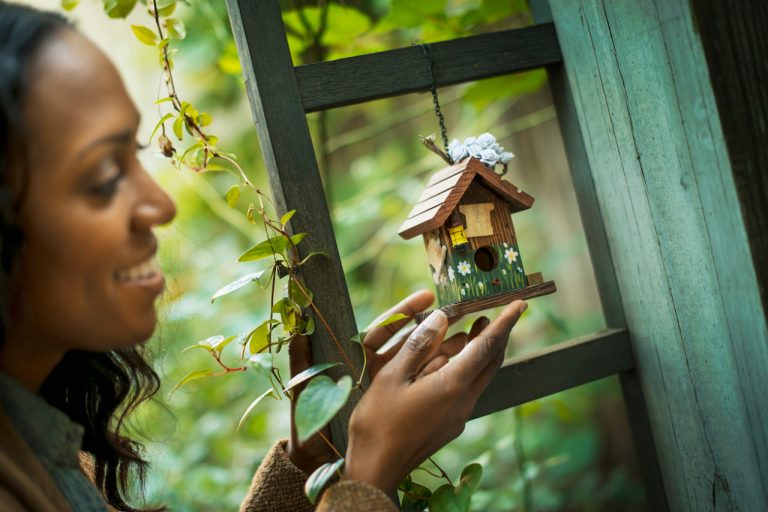
Offer safe nesting sites such as birdhouses, hanging coconut shells, or pre-built nesting boxes. Nesting structures encourage birds to stay in your yard year-round, especially when paired with consistent feeding and water sources.
Seasonal Considerations
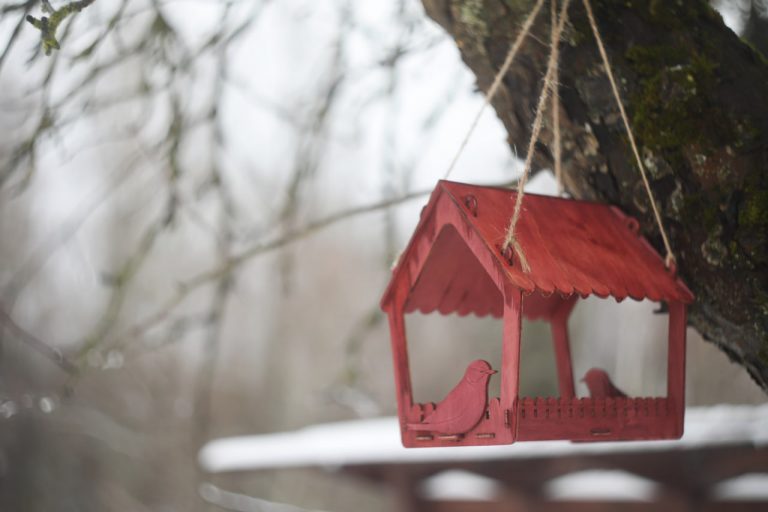
In colder months, place feeders in protected areas to shield birds from wind and snow. In summer, provide shaded spots and fresh water to prevent overheating and dehydration.
Maintenance for Safe Feeding
Regular Cleaning
Clean feeders at least once every two weeks to prevent mold, bacteria, and pests. Use mild soap, rinse thoroughly, and allow to dry completely before refilling. Regular cleaning protects bird health and ensures food remains safe.
Inspect for Damage
Check feeders, perches, and mounting points for wear or instability. Repair or replace damaged components to avoid accidents and ensure continued use.
Monitor Food Supply
Keep feeders stocked, but avoid overfilling to prevent spillage and waste. Observe which foods attract which species and adjust offerings as needed.
Encouraging Bird Diversity
Plant native flowers, shrubs, and trees to attract different bird species. Include a mix of fruit-bearing, flowering, and seed-producing plants to provide natural food sources alongside your feeders. Diversity in habitat and food attracts a wider variety of birds, enriching your backyard ecosystem.
Minimizing Disturbances
Minimize human traffic near feeders during peak feeding times. Loud noises or sudden movement can scare birds away. Position feeders in semi-private locations to create a safe, calm environment.
Long-Term Benefits
By carefully placing feeders, providing food and water, and maintaining a clean and safe environment, your backyard can become a haven for birds. Over time, you’ll notice increased activity, more species visiting, and even natural behaviors such as nesting, courtship, and flocking.